


Always serving undercooked or overcooked food can ruin a meal and pose health risks. The key is to develop a habit of checking food doneness before serving, ensuring it’s cooked thoroughly and safely. Investing a few extra minutes to verify doneness can save you from embarrassment and potential health issues, making your cooking experience more enjoyable and confident.
If you forget to check your food’s doneness before serving, the best solution is to quickly assess it with a thermometer or by visual cues, then decide whether it needs more cooking or is ready to serve. Prevention, like setting reminders or timing your cooking stages, can help you avoid this oversight altogether.
Imagine a busy dinner rush or a holiday feast where you forget to double-check that your roast is fully cooked. It’s a common mistake that can lead to undercooked poultry or overdone steaks. This forgetfulness often happens amidst multitasking or distractions in the kitchen. To prevent it, establish simple routines such as using a food thermometer, setting timers, or visually inspecting the texture and juices of your food. These small habits can make a big difference, ensuring your meals are safe, delicious, and perfectly cooked every time without the risk of serving food that’s not quite ready.

Forgetting to check food doneness before serving
The importance of checking food doneness
It’s easy to get distracted while cooking, but verifying that food is fully cooked is essential for safety and taste. Undercooked food can carry harmful bacteria or parasites that cause illness. Overcooked food, on the other hand, can lose flavor, moisture, and texture, making it less enjoyable to eat.
Risks of serving undercooked food
Servinging food that hasn’t cooked long enough can lead to health problems like food poisoning. Bacteria such as Salmonella and E. coli often survive in undercooked meats or eggs. This can cause symptoms like stomach cramps, diarrhea, fever, and vomiting.
Common foods that need careful doneness checks
- Chicken and other poultry
- Beef, especially steaks and roasts
- Pork products
- Egg dishes and casseroles
- Seafood, especially shellfish and fish fillets
Ensuring these foods reach safe internal temperatures is key to preventing foodborne illnesses.
The consequences of serving overcooked food
Overcooking can make foods tough, dry, and less appealing. It reduces the nutritional value and can create unpleasant flavors. Additionally, serving overcooked dishes might result in leftovers being discarded because of poor texture and taste.
How overcooking impacts food quality
Overcooked food tends to become harder, crumbly, or mushy depending on the dish. Nutrients like vitamins and minerals can degrade when exposed to excessive heat. This diminishes the overall health benefits of your meal.
Common reasons why people forget to check doneness
Many cooks overlook testing readiness because they are rushing or distracted. Cooking times are often approximate, and people underestimate the importance of visual or temperature checks. Busy kitchens or multitasking can lead to missing these crucial steps.
Factors that contribute to forgetting to check food doneness
- Multitasking during cooking
- Relying too much on timers
- Assuming food is cooked based on appearance alone
- Not having proper tools like meat thermometers
- Cooking in unfamiliar recipes or methods
Being aware of these can help prevent neglecting food safety checks.
Methods for testing food doneness effectively
Checking doneness is easier with the right tools and techniques. Visual cues, internal temperatures, and texture tests are all reliable indicators. Incorporating these methods into your routine ensures your food is both safe and delicious.
Visual indicators of doneness
Look for changes in color, juice clarity, and texture. For example, cooked chicken should be white with no pink, and beef should have a warm, evenly browned interior. Juices running from meat should be clear, not pink or red.
Using a food thermometer
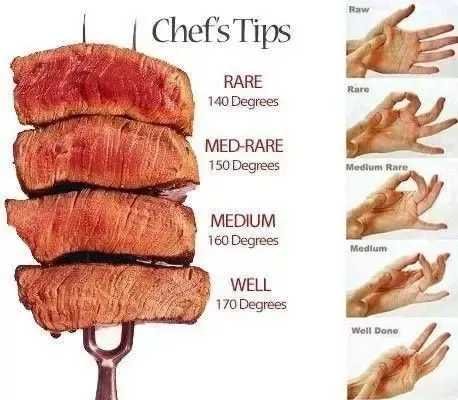
A digital or analog meat thermometer provides precise temperature readings. It’s recommended to check food at the thickest part to avoid undercooking. Here are some safe temperatures:
| Food Type | Minimum Internal Temperature |
|---|---|
| Chicken and Poultry | 165°F (74°C) |
| Beef, Veal, Lamb (Steaks, Roasts) | 145°F (63°C) with a 3-minute rest |
| Pork | 145°F (63°C) with a 3-minute rest |
| Fish and Shellfish | 145°F (63°C) |
Texture and appearance checks
For baked goods or casseroles, insert a toothpick or skewer. It should come out clean when done. For meats, pressing or cutting into the thickest part helps assess tenderness and color.
Tips for ensuring food safety and quality
Adopt habits that promote thorough doneness checks every time you cook. Invest in reliable tools, plan ahead, and stay attentive to details. These small steps greatly reduce the risk of serving undercooked or overcooked food.
Best practices for safe cooking
- Always use a digital thermometer for meats and poultry
- Follow recommended cooking times, but verify with temperature checks
- Allow meats to rest after cooking to let juices redistribute
- Visually inspect the appearance and texture
- Keep raw and cooked foods separate to prevent cross-contamination
Equipment that helps prevent forgetting to check doneness
Having the right tools makes a difference. A reliable meat thermometer is the most important, especially for meats and poultry. Kitchen timers combined with visual checks improve accuracy and safety.
Recommended tools and gadgets
- Digital meat thermometers with instant-read features
- Oven thermometers for checking oven temperature accuracy
- Timers with alert functions
- Food safety apps or charts for quick reference
Using these tools consistently makes it easier to avoid the mistake of serving undercooked or overly cooked dishes.
How to develop a habit of checking food doneness
Consistency is key. Incorporate doneness checks into your cooking routine every time. Set reminders or develop a checklist to ensure you don’t skip this important step.
Strategies to remember doneness checks
- Create a cooking checklist with doneness verification steps
- Use visual cues as prompts, like color change or juices
- Place a thermometer in the meat or dish early in cooking
- Make checking doneness part of your meal prep routine
- Share safety tips with family members who help in the kitchen
Related topics to consider
Expanding on food safety, explore areas like proper food storage, thawing methods, and cleaning practices. Proper handling of ingredients also reduces the risk of foodborne illness.
Food storage tips to ensure safety
Store raw meats separately and at appropriate temperatures. Use airtight containers and label leftovers with dates. Proper storage prevents bacterial growth and cross-contamination.
Thawing and marinating safely
Thaw frozen foods in the refrigerator or microwave, not at room temperature. Marinate meats in the refrigerator to prevent bacteria growth.
Cleaning and sanitation practices
Wash hands, utensils, and surfaces thoroughly after handling raw foods. Use hot, soapy water and sanitize cutting boards regularly.
In summary, forgetting to check if your food is thoroughly cooked can compromise safety and quality. Developing consistent habits, using the right tools, and paying close attention during cooking help prevent these mistakes. By prioritizing doneness verification, you ensure every meal is both safe and enjoyable.
How Do You Use A Meat Thermometer To Check Raw Meat Doneness? – The Skillful Chef
Frequently Asked Questions
What are some signs that food might be undercooked when served?
Signs of undercooked food include a raw or doughy texture, cold or uncooked centers, or a color that does not match typical cooked results. For example, meat may appear pink or red inside, and baked goods may feel soft or sticky in the middle. Tasting a small piece can also help determine doneness without cutting into the entire dish.
How can I prevent missing food doneness during busy cooking moments?
To avoid overlooking doneness, set timers for different dishes, check them regularly, and use food thermometers to verify internal temperatures. Preparing all ingredients beforehand and staying attentive during cooking helps ensure you remember to assess each dish properly before serving.
What tools can help me ensure my food is cooked thoroughly before serving?
Infrared thermometers and probe thermometers are valuable tools for checking food temperature accurately. Additionally, visual cues like color, texture, and juiciness can guide you, but combining these with a thermometer provides the most reliable assurance that your food is fully cooked.
What are the risks of serving food that hasn’t been thoroughly checked for doneness?
Serving undercooked food increases the risk of foodborne illnesses caused by bacteria or parasites. It can also lead to dissatisfaction among diners due to poor texture or flavor. Ensuring proper doneness enhances safety and improves overall dining experience.
Should I always cut into food to check for doneness, or are there better methods?
While cutting into food can reveal its doneness, it may cause juices to escape or alter presentation. Using a food thermometer is a more reliable and less invasive method to confirm that food reaches safe internal temperatures, ensuring it is cooked thoroughly without compromising appearance.
Final Thoughts
Forgetting to check food doneness before serving can lead to undercooked or overcooked dishes, risking safety and quality. Ensuring your food is fully cooked guarantees it is safe to eat and improves taste. Always take a moment to verify doneness to avoid unnecessary issues. Paying attention to this step helps you serve delicious, safe meals every time.
As an Amazon Associate, We earn from qualifying purchases. When you purchase a product through Amazon links on kitchenadvising.com, we may earn a small commission at no extra cost to you. This helps support the site and keep our content free.
