


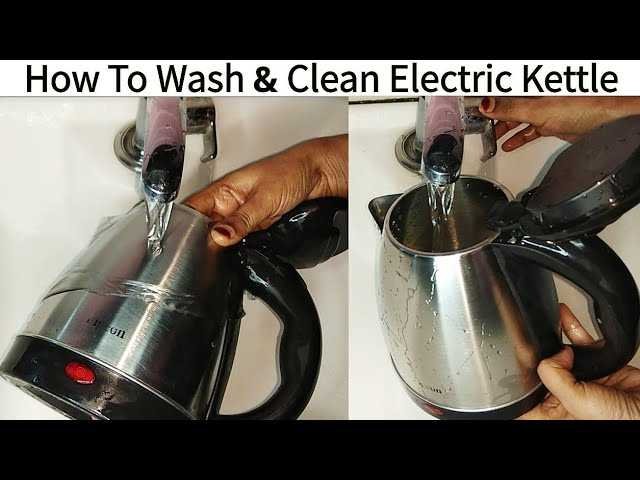
To clean your electric tea kettle quickly and effectively, fill it with equal parts white vinegar and water, boil the mixture, let it sit for a while, then rinse thoroughly. This simple method dissolves mineral buildup and restores your kettle’s sparkle.
Keeping your electric tea kettle spotless is essential for great-tasting tea and long-lasting performance. Over time, mineral deposits from water can create scale inside, affecting both efficiency and flavor. Regular cleaning is easy and inexpensive—just a bit of vinegar or descaling solution can work wonders. In this guide, you’ll discover simple steps to eliminate limescale, remove odors, and keep your kettle looking and functioning like new. Whether you’re a tea enthusiast or just want to maintain your appliance, learning how to properly clean your electric kettle ensures every brew is fresh and delicious, making your daily tea ritual even more enjoyable.

How to Clean Electric Tea Kettle
Cleaning your electric tea kettle regularly is important to keep it functioning well and to ensure your tea tastes fresh. Over time, mineral deposits and buildup can accumulate inside the kettle, affecting its performance and possibly causing unpleasant flavors. In this guide, you’ll find step-by-step instructions and helpful tips for cleaning your electric tea kettle effectively.
Understanding Why Cleaning Your Electric Tea Kettle Matters
Regular cleaning helps prevent scale buildup, which can reduce heating efficiency and cause the kettle to overwork. Mineral deposits from hard water are the main culprits, and they can also leave stains or cause an unpleasant taste. Keeping your kettle clean prolongs its lifespan and maintains the quality of your hot beverages.
Gathering Supplies for Cleaning
Before you start cleaning, gather the necessary supplies. You will need:
- White vinegar or lemon juice
- Baking soda (optional)
- Soft cloths or non-abrasive sponges
- Soft-bristled brush (like a toothbrush)
- Clean water
- Measuring cups or spoons
- Dish soap (mild)
Having these items ready helps make the cleaning process smooth and efficient.
Step-by-Step Guide to Cleaning Your Electric Tea Kettle
Follow these steps for a thorough clean:
1. Unplug and Cool Down
Always ensure your kettle is unplugged and has cooled completely before cleaning. This keeps you safe from burns and electrical hazards.
2. Empty Any Remaining Water
Pour out any remaining water to start fresh. Remove any loose debris or particles using a soft cloth.
3. Prepare a Vinegar Solution
Mix equal parts of white vinegar and water. For example, fill the kettle halfway with this solution. Vinegar helps dissolve mineral buildup and stains.
4. Boil the Vinegar Solution
Turn on the kettle and let it boil the vinegar mixture. Once boiling, turn off the kettle and unplug it. Let the vinegar sit inside for about 15 to 20 minutes to loosen deposits.
5. Scrub and Wipe Interior
Use a soft sponge or brush to gently scrub any remaining stains or buildup inside the kettle. Be careful not to scratch the surface.
6. Rinse Thoroughly
Pour out the vinegar solution and rinse the kettle several times with clean water. Ensure all vinegar residues are removed to prevent lingering flavors.
7. Clean the Exterior
Wipe the outside with a damp cloth, adding a small amount of mild dish soap if needed. Remove fingerprints and dust for a shiny finish.
Additional Methods for Stubborn Deposits
If mineral deposits are stubborn, consider these alternative cleaning techniques:
Using Baking Soda
Create a paste with baking soda and water. Apply it to the interior deposits and scrub gently. Rinse thoroughly afterward.
Using Lemon Juice
Lemon juice is a natural alternative to vinegar. Fill the kettle with water and add freshly squeezed lemon juice, then boil and rinse as above.
Preventing Mineral Buildup
To avoid frequent deep cleanings:
- Use filtered or distilled water instead of hard tap water.
- Clean the kettle regularly, ideally once a month.
- Wipe the outside after each use to prevent stains.
Signs Your Electric Tea Kettle Needs Cleaning
Be alert for these indicators:
- Unusual or bad taste in your tea or water.
- Visible mineral deposits or stains inside the kettle.
- Longer boiling times or reduced efficiency.
- Strange noises during operation.
Tips for Maintaining a Clean Electric Tea Kettle
Regular maintenance keeps your kettle in top shape. Here are some tips:
- Descale the kettle once a month if you have hard water.
- Use a soft cloth for exterior cleaning to avoid scratches.
- Always unplug before cleaning or refilling.
- Check the heating element periodically for scale or residue.
Related Topics: Deep Cleaning for Different Kettle Types
While this guide focuses on electric kettles, other types like stovetop or glass kettles require specific cleaning techniques. For stovetop kettles, avoid abrasive scrubbers and use descaling solutions suitable for metal. For glass kettles, gentle cleaning prevents scratches and preserves transparency.
Additional Tips for an Efficient and Long-Lasting Electric Tea Kettle
Proper care extends the life of your kettle. Avoid overfilling to prevent spills, and never immerse the entire appliance in water. Regularly inspect the cord and plug for damage, and replace if necessary. Proper cleaning and maintenance help ensure safety and performance over time.
Cleaning your electric tea kettle doesn’t have to be complicated. With simple tools and natural solutions like vinegar or lemon, you can keep it spotless. Consistent cleaning enhances your tea experience and preserves your appliance for years to come.
How To Easily Clean A Kettle | Vinegar Method for Sparkling Results!
Frequently Asked Questions
What is the best way to remove mineral buildup from my electric tea kettle?
To remove mineral deposits, fill your kettle with equal parts of water and white vinegar. Boil the solution and then turn off the kettle. Let it sit for about 15-20 minutes to loosen the buildup. Afterward, discard the solution and rinse the kettle thoroughly with clean water several times. For stubborn deposits, use a soft brush to scrub the interior gently before rinsing.
How often should I clean my electric tea kettle to keep it functioning well?
Clean your kettle once a month if you regularly brew mineral-rich water, such as hard tap water. If you notice any buildup or scaling, increase the cleaning frequency. Proper maintenance helps prevent mineral deposits that can impact performance and taste.
Can I use lemon juice instead of vinegar to descale my kettle?
Yes, lemon juice offers a natural alternative for descaling. Mix lemon juice with water in equal parts, boil the solution in your kettle, and let it sit for 15-20 minutes. Then, rinse thoroughly to remove any residual lemon flavor. Lemon is a gentle and effective option for removing mineral buildup.
What steps should I take to clean the exterior of my electric tea kettle?
Wipe the exterior with a damp cloth and mild detergent, avoiding abrasive cleaners that can scratch the surface. For stainless steel models, you can polish with a soft cloth to restore shine. Always unplug the kettle before cleaning and ensure it is completely dry before plugging it back in.
Is it safe to put my electric kettle in the dishwasher for cleaning?
No, most electric kettles are not dishwasher-safe because the electronic components and heating elements could be damaged. Stick to hand cleaning with a soft cloth and appropriate cleaning solutions. Consult your kettle’s manufacturer guidelines for specific cleaning instructions.
Final Thoughts
To clean an electric tea kettle effectively, start by unplugging it and filling it with equal parts water and white vinegar. Let it sit for 30 minutes to loosen mineral buildup. Alternatively, use a lemon solution for a natural clean.
Pour out the mixture and rinse thoroughly with fresh water. Wipe the exterior with a damp cloth to remove any stains or dust.
In conclusion, knowing how to clean electric tea kettle properly ensures it functions efficiently and lasts longer. Regular cleaning prevents grime and limescale, maintaining excellent water quality.
As an Amazon Associate, We earn from qualifying purchases. When you purchase a product through Amazon links on kitchenadvising.com, we may earn a small commission at no extra cost to you. This helps support the site and keep our content free.
