


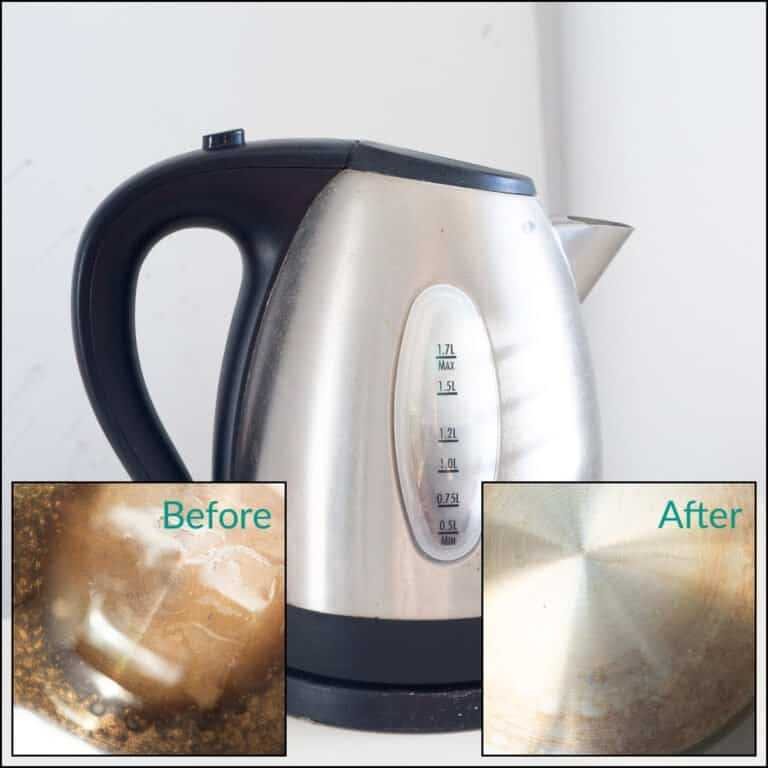
To descale your electric kettle quickly and effectively, fill it with equal parts water and vinegar, bring it to a boil, then let it sit for an hour before rinsing thoroughly. This simple method dissolves mineral buildup, restoring your kettle’s efficiency and prolonging its lifespan.
Descaling your electric kettle is a straightforward process that can save you time and money in the long run. Hard water deposits, or limescale, can clog your kettle and reduce its heating efficiency, leading to higher energy bills and potential damage. Regularly descaling your kettle ensures it runs smoothly and lasts longer. Whether you prefer natural solutions like vinegar or commercial descaling products, the key is to remove stubborn deposits without damaging the appliance. In this guide, we’ll walk you through easy steps to keep your kettle spotless and functioning perfectly, so you can enjoy hot beverages without any hassle.

“`html
How to Descale Electric Kettle: A Step-by-Step Guide to Keep It Running Smoothly
Understanding Why Descaling Is Important
Descaling your electric kettle helps maintain its efficiency and extends its lifespan. Over time, mineral deposits called limescale accumulate inside the kettle, especially if you live in an area with hard water. These deposits can clog the heating element, reduce heating speed, and negatively affect the taste of your hot drinks. Regular descaling prevents these issues and keeps your kettle working like new.
Signs That Your Electric Kettle Needs Descaling
It’s easy to tell when your kettle needs a good cleaning. Look for a visible build-up of white or chalky residue around the heating element or inside the water reservoir. If your kettle takes longer to boil or produces less hot water, it’s a sign that mineral deposits are blocking heat transfer. A strange smell or taste in the water can also indicate limescale buildup.
Gathering the Right Supplies for Descaling
Before starting, make sure you have these items:
- White vinegar or citric acid
- Water
- Clean sponge or cloth
- Soft-bristled brush
- Measuring cup
- Optional: Commercial descaling solution
Having these ready makes the process quick and efficient, helping you avoid unnecessary delays.
Basic Method Using White Vinegar
White vinegar is an effective and natural descaler that’s gentle on your kettle. Follow these simple steps:
- Mix equal parts of vinegar and water, filling the kettle halfway.
- Bring the solution to a boil and let it sit for about 15 to 20 minutes.
- After soaking, carefully pour out the vinegar solution.
- Rinse the kettle thoroughly with fresh water several times to remove any vinegar smell or taste.
This method is eco-friendly, affordable, and works well on most electric kettles.
Using Citric Acid as an Alternative
Citric acid is another natural descaling agent that works effectively. Here’s how:
- Mix two tablespoons of citric acid with one liter of water.
- Pour the mixture into the kettle.
- Boil the solution and let it simmer for about 15 minutes.
- Turn off the kettle and let it cool down.
- Wash out the residues with clean water and rinse thoroughly.
Citric acid is a great option if you prefer a less vinegar smell.
Applying Commercial Descaling Products
Commercial descaling solutions are designed specifically for kettles and appliances. Follow these tips:
- Read the manufacturer’s instructions carefully before use.
- Mix the product with water as directed.
- Fill the kettle with the solution and bring it to a boil.
- Let it sit for the recommended time, usually 15 to 30 minutes.
- Rinse thoroughly with clean water multiple times.
Choose these solutions if natural methods aren’t effective or if you prefer quick results.
Deep Cleaning for Stubborn Limescale
Sometimes, mineral buildup becomes very thick and difficult to remove. For stubborn deposits:
- Apply vinegar or citric acid solution as usual.
- Let it sit longer, up to an hour, for tough deposits.
- Use a soft brush or sponge to scrub inside the kettle carefully.
- Repeat the process if necessary until the deposits loosen.
Be gentle to avoid scratching the interior surface of your kettle.
Preventative Maintenance Tips
To minimize future limescale buildup:
- Regularly descale your kettle every 1 to 3 months, depending on water hardness.
- Use filtered or soft water when possible.
- Wipe the exterior and spout with a damp cloth regularly.
- Always drain and rinse the kettle after boiling to prevent residue accumulation.
Consistent care makes descaling easier and keeps your kettle in top shape.
Additional Tips for Safe and Effective Descaling
Always unplug the kettle before cleaning. Avoid using abrasive scrubbers that can damage the interior. Make sure to rinse thoroughly to eliminate any vinegar or citric acid residues. If your kettle has a removable filter, clean it separately to remove mineral deposits. Regularly inspecting your kettle helps catch scaling early. Proper descaling not only improves performance but also ensures your hot beverages taste their best.
How to Maintain Your Electric Kettle After Descaling
Once your kettle is clean, maintain it by:
- Boiling only the amount of water you need to save energy and reduce mineral deposits.
- Emptying the kettle after each use to prevent water from sitting and forming deposits.
- Wiping the exterior to keep it looking new.
These habits help ensure your kettle stays cleaner longer.
Related Topics: Extending the Life of Your Appliances
Apart from descaling your electric kettle, consider:
- Cleaning your coffee maker and water dispenser regularly.
- Using water softeners if you live in hard water areas.
- Replacing filters and parts as recommended by the manufacturer.
Proper maintenance of all appliances helps save money and improves their performance.
Summary
Descaling your electric kettle is a straightforward process that significantly impacts its performance and longevity. Natural solutions like vinegar and citric acid are safe, affordable, and effective options. Following a routine cleaning schedule and preventative tips ensures your kettle remains free of mineral buildup, providing you with better tasting beverages and reliable operation. Regular care helps avoid costly repairs and extends the life of your appliance, making it a worthy investment for any home.
“`
How To Descale A Kettle With Vinegar
Frequently Asked Questions
What are the main steps to effectively remove limescale from an electric kettle?
To remove limescale, fill the kettle with a mixture of equal parts water and white vinegar. Bring the solution to a boil and let it sit for about 15-20 minutes. Afterward, discard the solution and rinse the kettle thoroughly with fresh water several times to eliminate any vinegar residue. This process helps dissolve mineral buildup and restores the kettle’s efficiency.
How often should I descale my electric kettle to maintain its performance?
Descaling your kettle every 1 to 3 months depends on the hardness of your water and usage frequency. If you notice a white film or reduced boiling efficiency, it’s time to descale. Regular descaling prevents mineral buildup, prolongs the lifespan of your kettle, and ensures optimal boiling performance.
Are there natural alternatives to using vinegar for descaling my kettle?
Yes, lemon juice serves as an effective natural descaler. Mix equal parts of lemon juice and water, pour into the kettle, and bring it to a boil. Let it sit for 15-20 minutes, then rinse thoroughly. Lemon’s natural acidity helps dissolve limescale without leaving strong odors or residues, offering a gentle cleaning option.
What should I avoid when descaling an electric kettle to prevent damage?
Avoid using abrasive cleaners or steel wool, as they can scratch the surface of your kettle. Do not use harsh chemicals or bleach, as they may damage interior components or leave harmful residues. Also, steer clear of very boiling water with strong acids or chemicals that are not specifically recommended for appliance cleaning, as they can harm the kettle’s materials.
Can I descale my kettle without disassembling it?
Yes, most kettles can be descaled without disassembling. Fill the kettle with a descaling solution, such as vinegar and water or lemon juice and water, then boil the mixture. Once boiled, allow it to sit for a while before rinsing thoroughly. This method cleans the internal surfaces effectively without requiring any disassembly.
Final Thoughts
To descale an electric kettle effectively, start by mixing equal parts of water and vinegar. Pour the solution into the kettle until it covers the affected areas. Boil the mixture and let it sit for 15-20 minutes.
Pour out the solution and rinse the kettle thoroughly with clean water. Run a few cycles with plain water to remove any vinegar residue.
Knowing how to descale electric kettle helps maintain its performance and extend its lifespan while ensuring safe, clean water heating.
As an Amazon Associate, We earn from qualifying purchases. When you purchase a product through Amazon links on kitchenadvising.com, we may earn a small commission at no extra cost to you. This helps support the site and keep our content free.
