


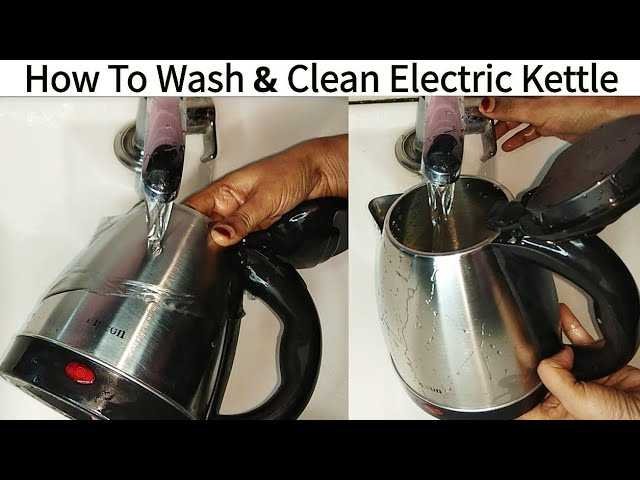
To clean your electric kettle quickly and effectively, fill it with a mixture of water and vinegar, boil it once, then rinse thoroughly. This simple method removes limescale and grime, leaving your kettle sparkling.
Cleaning your electric kettle is easy once you know the right steps. Regular maintenance not only keeps your kettle looking new but also ensures it works efficiently. Vinegar and lemon are natural, cost-effective solutions to tackle buildup, preventing scale from affecting performance. In this guide, you’ll discover simple yet effective ways to keep your kettle in top shape, ensuring every cup of tea or coffee tastes just perfect. Whether you’re dealing with stubborn limescale or just want a quick refresh, these tips will make your cleaning routine hassle-free, so you can enjoy your hot beverages without worry.

How to Clean Electric Kettle: A Complete Guide for a Sparkling Clean Appliance
Understanding the Importance of Regular Cleaning
Maintaining a clean electric kettle is essential for ensuring that your beverages taste fresh and pure. Over time, mineral deposits like limescale build up inside the kettle, reducing efficiency and potentially affecting the longevity of the appliance. Regular cleaning prevents clogs, improves performance, and keeps your kettle looking new.
Recognizing Common Signs That Your Electric Kettle Needs Cleaning
You should clean your kettle whenever you notice certain signs. These include a white or yellowish buildup around the heating element or inside the water chamber. A noticeable change in water boiling time and strange odors are also indicators that it is time for a thorough cleaning.
Gathering Your Cleaning Supplies
Before starting, assemble the basic tools needed for cleaning. These include:
- White vinegar or lemon juice
- Baking soda
- Soft scrub brush or sponge
- Deep cleaning brush (for hard-to-reach areas)
- Microfiber cloth
- Non-abrasive cleaning agent (optional)
Having these supplies ready makes the cleaning process smooth and effective.
Step-by-Step Guide to Descale Your Electric Kettle
- Unplug the kettle and allow it to cool completely.
- Fill the kettle with equal parts water and white vinegar or lemon juice. For a standard size, use about half a cup of vinegar and fill the rest with water.
- Bring the mixture to a boil. Let it simmer for about 15 minutes to loosen mineral deposits.
- Turn off the kettle and unplug it. Let the vinegar-water solution sit inside for another 15 to 30 minutes for a deep clean.
- Pour out the solution and rinse the kettle thoroughly with clean water.
- Fill the kettle with clean water and boil it again. Discard this water to remove any remaining vinegar or lemon scent.
- Wipe the exterior and interior with a soft microfiber cloth for a shiny finish.
Cleaning the Inside of the Kettle with Baking Soda
Baking soda is a natural abrasive and deodorizer that works well for cleaning. Use it as follows:
- Mix two tablespoons of baking soda with a cup of water.
- Pour the mixture into the kettle.
- Bring to a boil and let it simmer for 10 minutes.
- Turn off, let it cool slightly, then scrub gently with a soft sponge or brush.
- Rinse thoroughly with water to eliminate any residual baking soda.
This method effectively removes stubborn stains and neutralizes odors.
Deep Cleaning Tips for Hard-to-Reach Areas
Some kettles have small openings or corners that trap mineral buildup. To clean these:
- Use a small brush or toothbrush to scrub corners and edges gently.
- For stubborn deposits, soak the brush in vinegar or baking soda solution before scrubbing.
- Use a pipe cleaner or a cotton swab dipped in cleaning solution for tight spaces.
Regular attention to these spots keeps your kettle functioning efficiently.
Maintaining Your Electric Kettle for Long-Term Use
Routine maintenance extends the life of your kettle. Tips include:
- Descale your kettle every 4 to 6 weeks, depending on water hardness.
- Clean the exterior with a damp cloth regularly to remove dust and splashes.
- Avoid using abrasive cleaners or steel wool that can scratch surfaces.
- Keep the kettle dry outside of use to prevent corrosion.
Following these practices ensures your appliance remains in top condition.
Using Natural Alternatives for Eco-Friendly Cleaning
If you prefer eco-friendly cleaning options, several natural ingredients work just as well:
- Citric acid powder mixed with water creates a powerful descaling solution.
- Essential oils like tea tree oil can help disinfect and freshen the interior.
- Always dilute essential oils and avoid pouring directly into the kettle without mixing.
These options are safe and reduce the use of harsh chemicals.
Preventative Measures to Minimize Scale Buildup
Prevention is better than cure when it comes to mineral deposits. Consider:
- Using filtered or distilled water instead of tap water.
- Emptying the kettle after each use to prevent mineral settling.
- Regularly checking for signs of buildup and cleaning early.
- Using a descaling solution proactively every few months.
Adopting these habits helps maintain a clean and efficient kettle.
FAQs on Cleaning Electric Kettles
While this article already covers the main cleaning techniques, keep in mind that different kettle models may have specific instructions. Always consult your manufacturer’s guidelines before using any cleaning solutions. Proper maintenance not only keeps your kettle safe to use but also improves its lifespan and performance.
How To Easily Clean A Kettle | Vinegar Method for Sparkling Results!
Frequently Asked Questions
What is the best way to remove limescale buildup inside an electric kettle?
Fill the kettle with equal parts of water and white vinegar and bring it to a boil. Let it sit for 15-20 minutes to loosen the limescale. Afterward, pour out the solution and scrub any remaining deposits with a soft brush or sponge. Rinse the kettle thoroughly with clean water to remove any vinegar residue. Repeat this process regularly to prevent heavy buildup.
How can I clean the exterior of my electric kettle effectively?
Wipe the exterior of the kettle with a damp cloth soaked in mild soap or a mixture of water and vinegar. Avoid abrasive cleaning agents that could scratch the surface. For stubborn spots, gently scrub with a soft cloth or sponge. Dry the surface with a clean towel to prevent water spots and maintain its appearance.
What natural solutions work well for descaling an electric kettle?
Using a mixture of lemon juice and water provides an effective and natural way to descale your kettle. Fill the kettle with equal parts lemon juice and water, then bring it to a boil. Allow the solution to sit for about 30 minutes before rinsing thoroughly with clean water. This method helps remove mineral deposits while leaving a fresh scent.
Are there any tips for maintaining my electric kettle after cleaning?
Regularly rinse the kettle after each use to prevent mineral buildup. Avoid overfilling and ensure the kettle is completely dry before storing it. Use filtered water if possible to reduce mineral deposits and descaling frequency. Keeping the kettle dry and clean extends its lifespan and ensures efficient operation.
Final Thoughts
To clean an electric kettle effectively, start by pouring equal parts of vinegar and water into the device. Let the solution sit for at least 30 minutes to dissolve limescale buildup. Rinse thoroughly with clean water to remove any residue.
Regular cleaning prevents mineral deposits and keeps the kettle functioning smoothly. Always unplug the kettle before cleaning and avoid submerging it in water.
In conclusion, knowing how to clean electric kettle helps maintain its performance and prolong its lifespan. Regular upkeep ensures your appliance stays efficient and safe to use.
As an Amazon Associate, We earn from qualifying purchases. When you purchase a product through Amazon links on kitchenadvising.com, we may earn a small commission at no extra cost to you. This helps support the site and keep our content free.
