


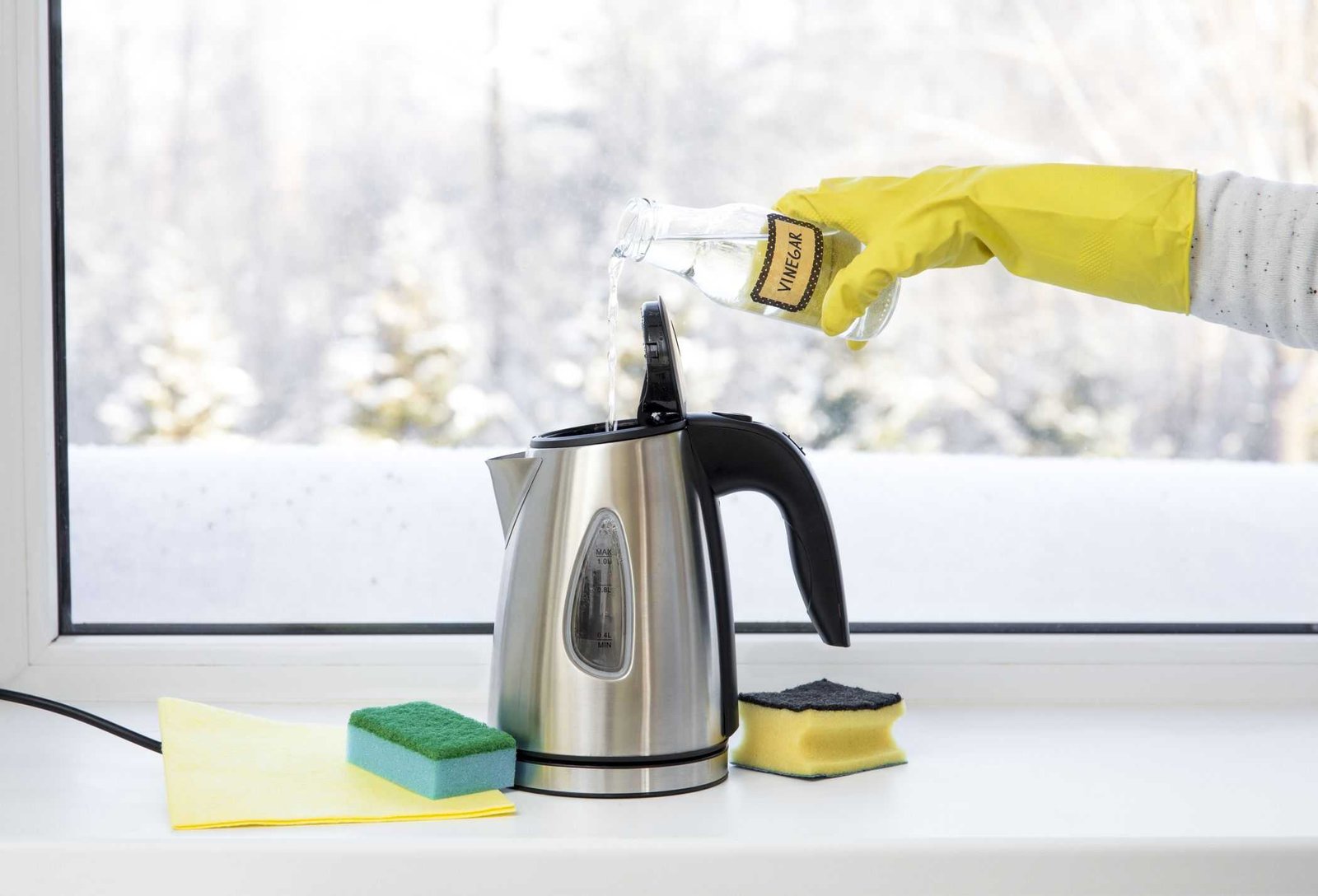
To clean your electric kettle with vinegar, fill it with equal parts water and white vinegar, let it boil, then let it sit for 15-20 minutes before rinsing thoroughly. This simple method effectively removes limescale and mineral buildup, leaving your kettle sparkling clean and functioning efficiently.
For a quick and natural way to descale your electric kettle, using vinegar is your best bet. Just mix water and vinegar, boil the mixture, and give it a good rinse – it’s eco-friendly, budget-friendly, and super effective. Maintaining a clean kettle is essential for great-tasting tea or coffee and prolonging its lifespan, and vinegar is the perfect, non-toxic solution to keep it in tip-top shape.
If you’ve noticed your kettle isn’t boiling as quickly or there’s a mineral film coating the inside, it’s time for a clean. Over time, mineral deposits from water can accumulate inside your electric kettle, affecting performance and taste. Luckily, vinegar provides a natural and inexpensive way to dissolve these deposits without harsh chemicals. In just a few simple steps, you can keep your kettle looking brand new and ensure it functions perfectly—ready to brew your next favorite cup.

How to clean electric kettle with vinegar
Cleaning your electric kettle with vinegar is a simple and affordable way to keep it working efficiently. Vinegar, a natural acid, helps dissolve mineral deposits and grime that build up over time. Regular cleaning prevents limescale buildup, which can affect the taste of your water and the performance of your kettle.
Why use vinegar to clean your electric kettle?
Vinegar is a non-toxic, environmentally friendly cleaning solution. It effectively removes mineral deposits like calcium and lime that accumulate inside the kettle. Its acidic nature breaks down stubborn residues without damaging the material of most kettles. Plus, vinegar is inexpensive and easy to find in most households.
Signs indicating your kettle needs cleaning
If you notice a white or brown film inside your kettle, it’s time to clean it. Changes in the taste of boiled water, longer boiling times, or strange noises also suggest mineral buildup. Regular maintenance can extend the lifespan of your kettle and ensure tasty, pure water every time.
Preparing your vinegar cleaning solution
To clean with vinegar, you’ll need a few simple items:
- White vinegar (distilled vinegar works best)
- Clean water
- Measuring cup or jug
- Soft cloth or sponge
- Optional: lemon slices for added freshness
Mix equal parts of vinegar and water for an effective cleaning solution. For instance, use 1 cup of vinegar and 1 cup of water for a standard-sized kettle.
Step-by-step process to clean your electric kettle with vinegar
1. Unplug the kettle
Ensure your kettle is unplugged and cooled down before cleaning. Safety is important to avoid electrical hazards or burns.
2. Fill the kettle with vinegar solution
Pour the vinegar-water mixture into the kettle until it covers the affected areas. Typically, half to three-quarters full is sufficient for cleaning.
3. Boil the vinegar solution
Switch on the kettle and let the solution boil. Once boiling, turn off the kettle and unplug it. Allow the vinegar solution to sit inside for about 30 minutes to loosen mineral deposits.
4. Let the solution sit
During this time, mineral buildup begins to dissolve. For heavily scaled kettles, you can extend this to an hour or more for better results.
5. Scrub and rinse
After soaking, use a soft cloth or sponge to gently scrub the inside of the kettle, focusing on areas with stubborn deposits. Rinse thoroughly with clean water to remove any residual vinegar and loosened deposits.
6. Boil clean water for rinsing
Fill the kettle with plain water and boil it once or twice. Discard the water to ensure all vinegar residues are gone. This step also helps clear any remaining mineral deposits.
Tips for effective cleaning with vinegar
- Use distilled or filtered water after cleaning to prevent new mineral deposits.
- Avoid using abrasive scrubbers that could scratch the kettle’s surface.
- If stubborn deposits remain, repeat the vinegar soak process.
- Never leave vinegar inside the kettle for extended periods without rinsing to prevent lingering smell or taste.
Alternative vinegar cleaning methods
Using vinegar and baking soda
This combination creates a fizzing reaction that can help remove tougher deposits. Mix 1/4 cup baking soda with 1 cup vinegar, then pour into the kettle. Let it sit for 15-20 minutes before scrubbing and rinsing.
Cleaning with only vinegar
For light scaling, a simple vinegar boil is enough. Fill the kettle with undiluted vinegar and boil. After boiling, discard the vinegar, rinse thoroughly, and boil clean water to remove any smell.
How often should you clean your electric kettle with vinegar?
For households with hard water, it’s recommended to clean the kettle once a month. If you notice more mineral buildup, increase cleaning frequency. Regular maintenance keeps your kettle in top condition and extends its lifespan.
Preventive tips to reduce mineral buildup
Use filtered water instead of tap water to decrease mineral deposits. Wipe the exterior and inside of the kettle regularly to prevent grime buildup. Consider descaling your kettle more frequently if you live in areas with very hard water.
Advantages of cleaning your electric kettle with vinegar
Cleaning with vinegar is safe, eco-friendly, and cost-effective. It effectively removes deposits without harsh chemicals. This process also helps maintain the kettle’s efficiency and improves the taste of your boiled water.
Common mistakes to avoid during vinegar cleaning
- Do not leave vinegar in the kettle for extended periods without rinsing to avoid lingering odors.
- Avoid using abrasive scrubbers that can damage the kettle’s interior surface.
- Never operate the kettle with vinegar inside without rinsing thoroughly afterward.
- Do not use vinegar cleaning methods on kettles with electronic components not designed for such treatments.
Additional tips for keeping your kettle clean
Regularly descale your kettle, especially if you notice mineral buildup. Use soft cloths and non-abrasive cleaners to wipe the exterior. Always ensure the kettle is completely dry before storing it away.
Related topics you might find useful
- How to remove limescale from a coffee maker
- Best descaling products for household appliances
- Natural cleaning tips for kitchen appliances
- How to maintain a water filter kettle
Cleaning your electric kettle with vinegar is an easy and effective task. With regular maintenance, your kettle stays free of scale, making your water taste better and ensuring it lasts longer. Follow these simple steps to keep your appliance in top shape and enjoy hot water whenever you need it.
How To Easily Clean A Kettle | Vinegar Method for Sparkling Results!
Frequently Asked Questions
What is the best way to prepare vinegar for cleaning an electric kettle?
Fill the kettle halfway with equal parts of white vinegar and water. This mixture effectively loosens mineral deposits and cleans the interior without causing damage. Let the solution sit in the kettle for about 30 minutes to an hour to allow it to work on any buildup.
How can I ensure all mineral deposits are removed after cleaning with vinegar?
After the vinegar solution has soaked, boil fresh water in the kettle to rinse away any residual vinegar and loosened deposits. Repeat this process at least twice, discarding the water each time, to achieve a thorough clean and prevent any lingering vinegar taste.
Are there any precautions to take when using vinegar to clean my electric kettle?
Use only white vinegar for cleaning, as colored vinegars may stain the kettle. Avoid overfilling the kettle with vinegar to prevent spills or damage to the heating element. Also, ensure you rinse the kettle thoroughly to remove any vinegar residue before using it again.
Can I use vinegar cleaning method regularly to maintain my electric kettle?
Yes, cleaning your kettle with vinegar once a month helps prevent mineral buildup and keeps it functioning efficiently. Regular cleaning ensures your kettle boils quickly and maintains good water quality for your beverages.
What should I do if stubborn stains remain after vinegar cleaning?
If mineral deposits persist, scrub the affected areas gently with a soft brush or cloth after soaking with vinegar. For persistent stains, repeat the vinegar soak process or consider using a descaling product specifically designed for electric kettles for more effective results.
Final Thoughts
To clean your electric kettle with vinegar, fill it with equal parts water and vinegar. Boil the mixture, then let it sit for 15-20 minutes to loosen build-up.
Next, scrub the interior gently with a soft brush or sponge, paying attention to any deposits. Rinse thoroughly with clean water to remove any vinegar residue.
In conclusion, knowing how to clean electric kettle with vinegar helps maintain appliance efficiency and flavor purity. Regular cleaning prevents limescale buildup, ensuring your kettle works effectively.
As an Amazon Associate, We earn from qualifying purchases. When you purchase a product through Amazon links on kitchenadvising.com, we may earn a small commission at no extra cost to you. This helps support the site and keep our content free.
