


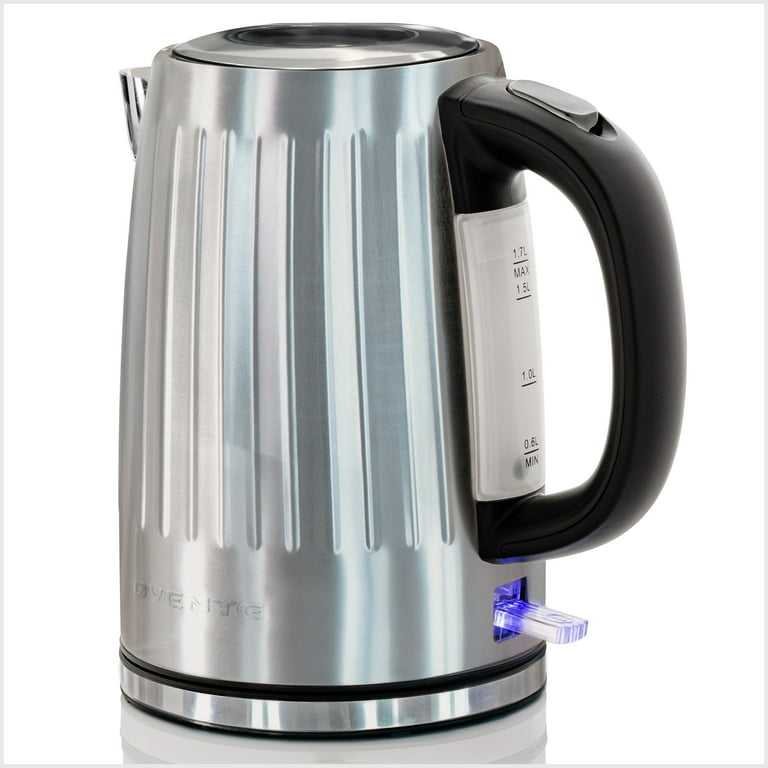
To dry an electric kettle quickly and effectively, wipe it down with a clean, dry cloth and leave it unplugged in a warm, well-ventilated area until all moisture evaporates. You can also use a soft towel to absorb any lingering water spots and ensure the interior is completely dry before storing or reusing. For stubborn moisture, leave the kettle open upside down for a few hours to air out thoroughly.
If your electric kettle has gotten wet or you want to prevent mold and mineral buildup, drying it properly is crucial. The key is to remove any excess water and allow it to air out completely. Start by unplugging the kettle, then wipe the exterior and interior with a dry cloth. Next, leave the lid open in a warm, dry place for several hours—this helps any remaining moisture evaporate. Ensuring the kettle is completely dry protects its electronic parts and extends its lifespan. Remember, never submerge the kettle in water or use a dishwasher to dry it—manual drying is safest and most effective.

How to Dry Electric Kettle: A Complete Guide
Drying your electric kettle properly is essential to keep it in good shape and prevent damage. A wet or damp kettle can cause rust, electrical issues, or mold growth if not dried correctly. In this article, we will explore step-by-step methods and useful tips on how to dry electric kettle effectively and safely.
Why Proper Drying Matters for Your Electric Kettle
Electric kettles are made with electrical components and metal parts that can corrode or malfunction if moisture remains inside. Proper drying helps extend the life of your kettle and ensures it functions efficiently. Additionally, thoroughly dried kettles are less likely to develop mold or bacterial growth.
Preparing Your Electric Kettle Before Drying
Before drying, unplug the kettle and let it cool down completely. Remove the lid and empty any remaining water to prevent pooling. These initial steps make the drying process safer and more effective.
Basic Steps to Dry an Electric Kettle
- Pour out residual water: Make sure all water is emptied from the kettle’s interior.
- Wipe with a dry cloth: Use a soft, lint-free cloth to wipe the exterior and interior surfaces.
- Air dry the interior: Leave the lid open and allow the kettle to air dry for a few hours.
Using Towels and Cloths for Quick Drying
For faster drying, use a clean, absorbent towel to pat dry the interior and exterior. Be gentle to avoid scratching the surface. Focus on seams, spouts, and the lid, which tend to trap moisture.
Methods for Removing Moisture from Hard-to-Reach Areas
Use a Small Brush or Cotton Swab
Dip a soft brush or cotton swab into a small amount of rubbing alcohol or vinegar to clean and dry tight spots. This helps eliminate hidden moisture and prevent mold buildup.
Apply a Vacuum or Air Pump
If available, gently use a small vacuum or air pump to draw out excess moisture from the spout and other crevices. This technique speeds up the drying process, especially in hard-to-reach areas.
Utilizing Air Circulation to Enhance Drying
Place the electric kettle in a well-ventilated area or near a fan or open window. Good airflow accelerates evaporation of residual moisture inside the kettle. If possible, position the kettle upside down to allow any remaining water to drain out easily.
Using a Hair Dryer for Rapid Drying
A hair dryer set on a cool or low heat setting can be used carefully to blow air into the interior. Keep the dryer at a safe distance to avoid damage to electrical parts. This method provides quick results but should be done cautiously.
Drying Tips for Different Kettle Materials
Stainless Steel Kettles
- Wipe thoroughly with a soft cloth
- Use a vinegar solution to remove mineral deposits
- Air dry in a ventilated space
Plastic Kettles
- Check for any cracks or damages before drying
- Avoid using abrasive cleaners that can scratch the surface
- Ensure no water remains trapped near electrical components
Glass Kettles
- Use a microfiber cloth for cleaning and drying
- Be cautious of sharp edges or cracks
- Allow full air drying before reassembling
Additional Tips for Ensuring Complete Dryness
- Turn the kettle upside down to drain out hidden pockets of water
- Use a desiccant packet or silica gel inside the empty kettle for extra moisture absorption
- Leave the lid open during drying to facilitate airflow
- Check for any remaining dampness after a few hours and repeat drying if necessary
Preventive Measures to Keep Your Electric Kettle Dry
To avoid moisture buildup in the future, always dry your kettle after use and store it in a dry area. Regularly descale your kettle to prevent mineral deposits that trap water inside. Using distilled water can also reduce the chances of mineral buildup and internal corrosion.
Cleaning and Drying Accessories
Use cleaning brushes, microfiber cloths, and small vacuums to make drying easier. These tools help reach tight spots and ensure no moisture is left behind. Stocking these accessories in your kitchen makes drying your kettle a quick task.
When to Seek Professional Help
If your electric kettle has persistent moisture issues or electrical problems, consider contacting a professional. Do not attempt to repair electrical components yourself, as this can be dangerous. Regular maintenance can prevent many drying-related issues.
Summary of Key Points
| Step | Tip |
|---|---|
| Empty the kettle | Always remove water before drying |
| Wipe with a cloth | Use a soft, dry cloth to absorb moisture |
| Air dry with lid open | Allows moisture to evaporate naturally |
| Use tools for tight spaces | Cotton swabs and small brushes help reach corners |
| Enhance airflow | Place in ventilated area or near a fan |
| Speed up drying | Use a hair dryer on cool setting cautiously |
Knowing how to dry electric kettle correctly not only keeps your appliance in top condition but also guarantees safe operation every time. Regularly checking and drying your kettle prolongs its lifespan and ensures your hot water is always ready without worries.
Boil-Dry Protection Household Electric Kettle – Everich
Frequently Asked Questions
What is the best method to remove excess water from an electric kettle after drying?
To remove excess water, gently tilt the kettle to pour out any remaining liquid. Then, use a clean, dry cloth or paper towel to wipe the interior and exterior surfaces. For thorough drying, leave the lid open and allow the kettle to air dry completely for a few hours before storing or using it again.
How can I prevent mold and odors when drying my electric kettle?
Ensure the kettle is completely dry inside and outside before storing it. Leave the lid open to allow proper airflow, preventing moisture buildup. Occasionally, fill the kettle with a mixture of water and a small amount of vinegar, boil it briefly, then rinse and dry thoroughly to eliminate any lingering odors or mold spores.
Is it necessary to use any specific tools or products when drying my electric kettle?
No special tools are needed; a soft, lint-free cloth or paper towels work well to dry the surfaces. Avoid using abrasive scrubbers or harsh chemicals, as they can damage the interior or exterior. If mineral deposits are present, use a descaling solution, then rinse and dry the kettle thoroughly afterward.
How long should I leave my electric kettle to air dry for complete moisture removal?
Allow your electric kettle to air dry for at least 2 to 4 hours, especially if it was used recently or exposed to moisture. To speed up the process, open the lid and place the kettle in a well-ventilated area, ensuring no residual water remains before storing or reuse.
Can I use a towel to dry the electric kettle quickly?
Yes, a soft, absorbent towel can quickly dry the exterior and accessible interior surfaces. Gently wipe all parts, paying attention to corners and seams. Be cautious not to scratch or damage the surface, and make sure the kettle is completely dry before reconnecting or storing it away.
Final Thoughts
To dry an electric kettle effectively, start by unplugging it and pouring out any remaining water. Wipe the interior with a clean, dry cloth to remove moisture and prevent mold. Leave the lid open to allow air circulation, speeding up drying.
When drying an electric kettle, focus on ensuring no water remains to avoid future problems. Use a soft cloth to absorb moisture and keep the kettle ventilated.
In conclusion, knowing how to dry electric kettle properly helps maintain its longevity. Dry the kettle thoroughly after cleaning to prevent rust and buildup, keeping it in top condition.
As an Amazon Associate, We earn from qualifying purchases. When you purchase a product through Amazon links on kitchenadvising.com, we may earn a small commission at no extra cost to you. This helps support the site and keep our content free.
