


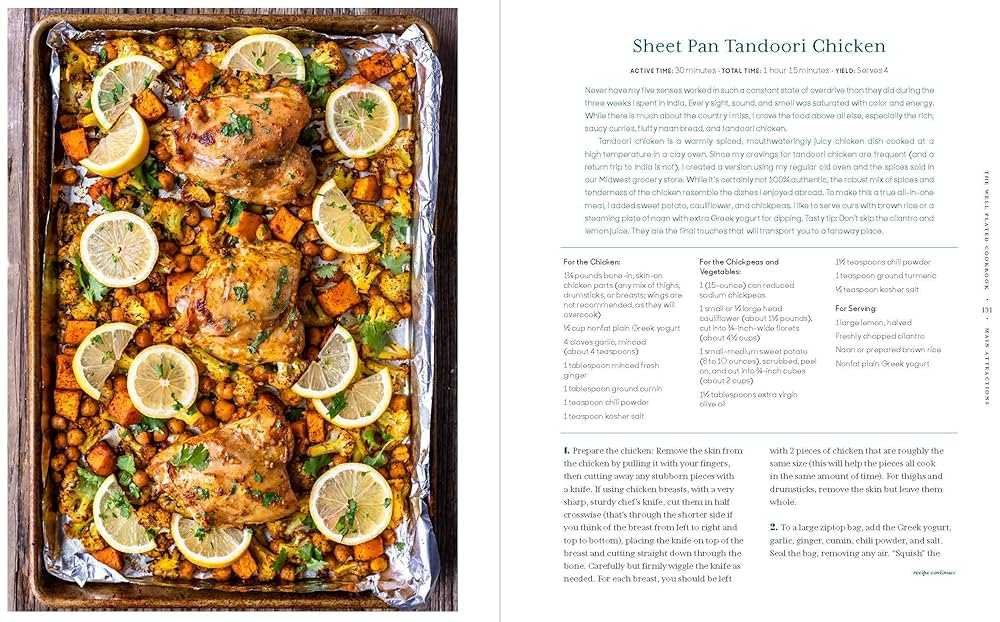
To avoid overcooking small items, always reduce the cooking time and monitor the process closely. Adjust your recipes accordingly to prevent burning or drying out delicate foods.
Overcooking small items happens easily if you follow standard cooking times without adjustments. The key is to recognize that smaller pieces require less time to cook thoroughly. Whether you’re roasting vegetables, baking snacks, or preparing proteins, tweaking the time can help preserve texture and flavor. Ignoring this can lead to ruined meals and food waste, but with a little attention and experience, you can perfect your timing. Understanding how different items respond to heat ensures your dishes come out just right, preventing excessive cooking. This article explores why overcooking happens with small foods and provides practical tips to adjust cooking times for perfect results every time.

Overcooking Small Items by Not Adjusting Time
Understanding the Risks of Overcooking Small Items
When you don’t adjust cooking times for small items, they are at risk of becoming overcooked. Small foods like vegetables, eggs, or delicate proteins cook faster and require less time than larger portions. Ignoring this can lead to textures that are mushy or burnt, reducing the quality of your meal.
Overcooked small items often lose their natural flavor and nutritional value. This wastefulness can also result in more food being discarded, increasing costs and environmental impact. Recognizing the importance of adjusting cooking times helps ensure your food stays flavorful and nutritious.
Why Small Items Cook Faster
Small foods have a higher surface area relative to their volume. This means heat penetrates them more quickly. As a result, they reach their desired temperature or doneness faster than larger items.
For example, a small piece of broccoli might cook in just a few minutes, while a whole head takes significantly longer. Without adjusting cooking times, you risk overdoing these small pieces, making them less appealing.
Common Small Items Prone to Overcooking
Some small items are especially vulnerable to overcooking:
- Eggs (hard-boiled or poached)
- Vegetables like cherry tomatoes, spinach, and peas
- Seafood such as shrimp or small fish fillets
- Small cuts of meat like chicken tenders or mini steaks
- Baked items like muffins or cupcakes
Knowing these items helps you plan your cooking process better and avoid overcooking mishaps.
Cooking Methods and Their Impact on Small Items
Different cooking methods affect small items differently. For example, boiling or steaming small vegetables is quicker and easier to overdo. Baking small pastries or muffins requires close attention to avoid burning or drying out.
Microwaving is another method where timing is critical. Since microwave power levels vary, not adjusting cooking times for small portions can lead to uneven heating or overcooking.
Boiling and Steaming
Small vegetables like peas or spinach cook rapidly. Usually, just a few minutes on high heat are enough. Leaving them longer can turn them mushy and diminish their vibrant color and flavor.
Baking and Roasting
Mini muffins or small pastries need less baking time. Overbaking can cause dryness and a tough texture. It’s essential to check small baked goods a few minutes before the recipe suggests.
Microwaving
Microwave cooking times are often listed for standard portions. When cooking small items, reduce the time by at least 30 to 50 percent. Overcooking can lead to rubbery textures, especially with seafood or eggs.
Adjusting Cooking Times for Small Items
Always start by reducing the cooking time specified in recipes for larger portions. Keep a close eye on your food to prevent overcooking.
A good rule of thumb is to check small items halfway through the original cooking time. Use tools like a thermometer or visual cues to judge doneness accurately.
Using a Timer Effectively
Set precise timers for small items to avoid the temptation to extend cooking time. Rechecking food shortly after the timer ends helps prevent overdoing it.
If your recipe doesn’t specify, generally reduce the cooking time by one-quarter or even one-third for small portions. This simple adjustment can make a big difference in the final texture.
Techniques to Prevent Overcooking Small Items
Here are some practical tips to keep small items from overcooking:
- Use smaller cookware or containers for even heat distribution
- Lower cooking temperatures when possible
- Use lids to control moisture and heat buildup
- Check for doneness frequently, especially towards the end
- Use cooking tools like skewers or toothpicks to test for doneness in baked goods
Implementing these techniques ensures your small items retain their perfect texture and flavor.
Importance of Monitoring and Testing
Relying solely on timers isn’t enough; using sensory cues is vital. Look for visual changes, smell, or texture to judge whether your food is ready.
For instance, small vegetables should be tender but still bright green. Eggs should be firm but not rubbery. Testing small items regularly prevents overcooking and preserves quality.
Effects of Overcooking Small Items
Overcooked small items often suffer from:
- Loss of flavor and aroma
- Texture becoming mushy or rubbery
- Color fading or turning dark
- Increased nutrient loss
These effects diminish the appeal of your dishes and can make your meals less enjoyable.
Impact on Nutritional Content
Extended cooking times can break down vital nutrients like vitamins and antioxidants. Overcooked vegetables, for example, often contain fewer nutrients than optimally cooked ones.
Proper timing helps preserve these nutrients, making your meals healthier and more satisfying.
Tips for Perfectly Cooking Small Items
To achieve the best results, consider these tips:
- Always read the recipe carefully, adjusting for smaller portions
- Start cooking at lower temperatures, increasing only if needed
- Use a timer and check frequently
- Test small items with the appropriate tool or visual cues
- Remove items from heat as soon as they reach the desired doneness
Practicing these tips leads to consistently well-cooked small items.
Related Topics to Consider
Additional areas connected with overcooking include:
Food Storage and Reheating
Reheated small items can easily overcook if not careful. Adjust reheating times accordingly to prevent dryness.
Meal Planning for Small Portions
Cooking small amounts accurately can help reduce waste and improve meal portions, especially for single servings or small families.
Using Kitchen Tools Effectively
Tools like digital thermometers, timers, and small baking pans support precise cooking and help prevent overcooking small items.
Cooking Tips for Busy Kitchens
Efficiency in timing and preparation is key. Pre-measuring ingredients and timing your cooking steps helps avoid overcooking and ensures quick, delicious results.
Conclusion
Not adjusting cooking times for small items can easily lead to overcooked, less appealing dishes. By understanding the quick cooking nature of small foods and implementing proper techniques, you can keep your meals flavorful, nutritious, and perfectly textured. Always monitor your food closely, use timers wisely, and adjust your methods based on what you’re preparing. These simple steps will ensure your small items turn out just right every time.
Easily fix sticky or gummy rice #shorts
Frequently Asked Questions
How does not adjusting cooking time affect small items in the oven?
If you don’t modify the cooking time for small items, they tend to cook faster than larger portions. This can result in overcooking, leading to burnt edges, dry textures, or loss of flavor. Small items require precise timing to ensure they remain tender and retain their intended quality.
What are the risks of using the same cooking duration for both small and large portions?
Using the same cooking time for small and large portions increases the likelihood of overcooking small items. Small items absorb heat more quickly, and without adjusting the time, they can become overdone, losing moisture and becoming unappetizing. Proper timing helps preserve their texture and taste.
How can I prevent overcooking when preparing multiple small items simultaneously?
To prevent overcooking, reduce the cooking time slightly or check small items frequently during the process. Arranging the items evenly on the tray and using a timer helps monitor their progress. Adjusting the oven temperature or covering small items can also slow down cooking for better control.
Why is it important to consider size when setting cooking times in the oven?
Size influences how quickly heat penetrates food. Smaller items heat up faster and cook quicker, so ignoring their size can cause them to overcook. Factoring in size allows you to set more accurate times, ensuring each item cooks evenly and maintains quality.
What techniques help avoid overcooking small foods when using high heat?
Lowering the oven temperature and shortening the cooking duration works well for small foods cooked at high heat. Covering small items with foil or using a lower rack can also reduce direct heat exposure. Regularly checking on small items prevents overcooking and keeps them tender.
Final Thoughts
Overcooking small items by not adjusting time often leads to burnt or dried-out food. These items cook faster, so ignoring this can ruin their texture and flavor. Always keep an eye on cooking times, especially for smaller portions.
By paying close attention and adjusting cooking times accordingly, you prevent overcooking and preserve the quality of your dishes. Remember, small items need less time, so don’t forget to modify your recipe.
Overcooking small items by not adjusting time is a common mistake. Staying vigilant ensures your food stays tasty and perfectly cooked every time.
As an Amazon Associate, We earn from qualifying purchases. When you purchase a product through Amazon links on kitchenadvising.com, we may earn a small commission at no extra cost to you. This helps support the site and keep our content free.
